
Finding the right recycled fabric isn’t easy
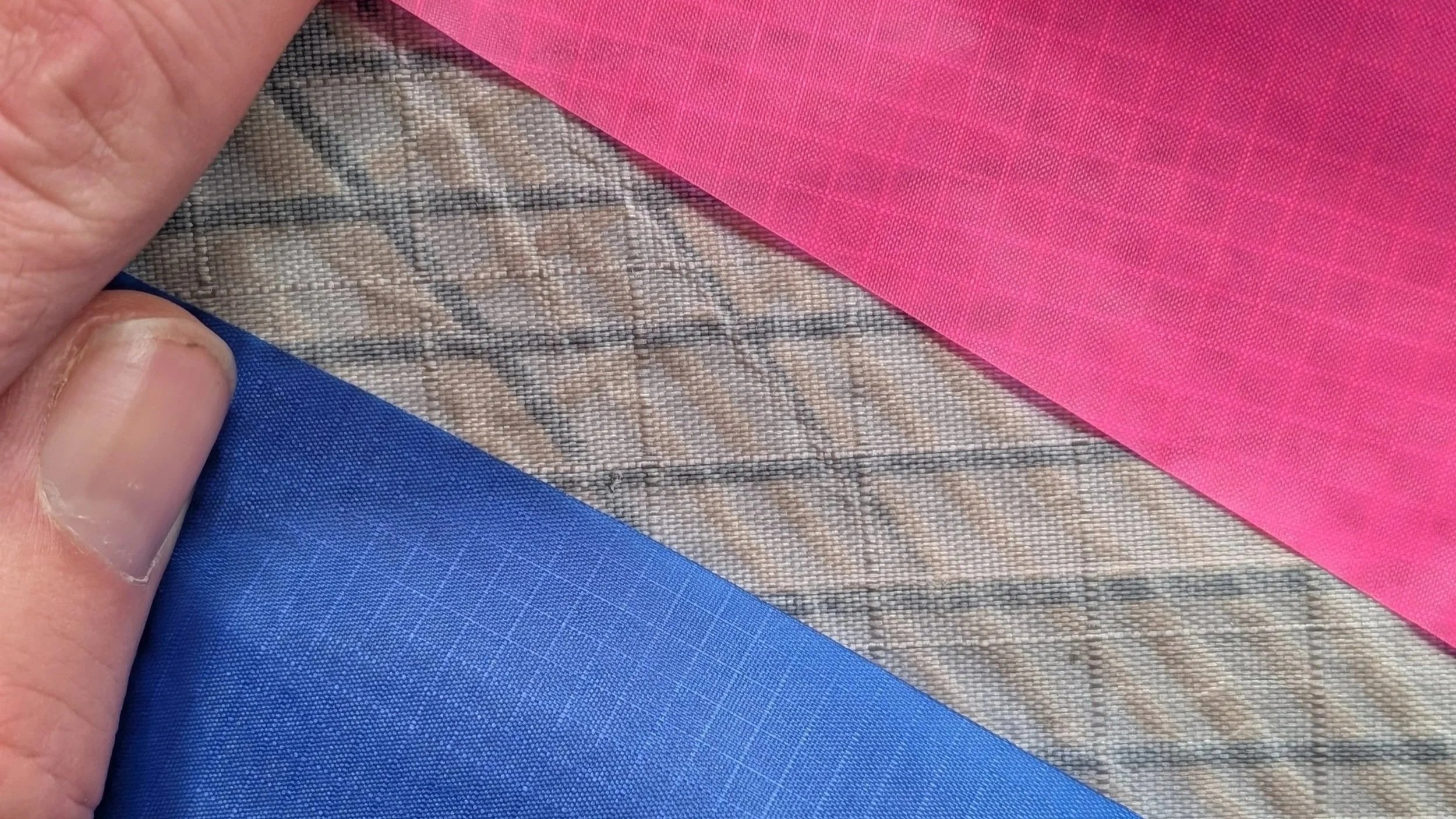
There's a particular kind of anticipation that comes with a trip to the sail dump. You never quite know what you're going to find. It could be a jackpot, it could be a damp squib, and there's usually no telling which until you're elbow deep in a pile of retired sailcloth.
If you've read the earlier posts, or follow our Instagram account, you'll know that finding a steady, reliable source of material for a recycled watch strap has been one of the trickiest parts of getting Loop off the ground. Every Loop strap begins life as a sail, which is what makes it a recycled watch strap in the truest sense, reclaimed sailcloth given a second life on the wrist rather than sent to landfill. So the search for the right fabric is really the search for the whole product.
That's why linking up with ReSail by Clean Sailors has been such a step forward. It's a scheme built to keep old sails out of landfill and give them somewhere useful to go, and the closest collection point to me is at Sanders Sails in Lymington, a short hop along the coast from Poole. It's a site I pop down to as often as I can.
THE recycled JACKPOT
Most trips turn up something. My latest one turned up a pot of gold.
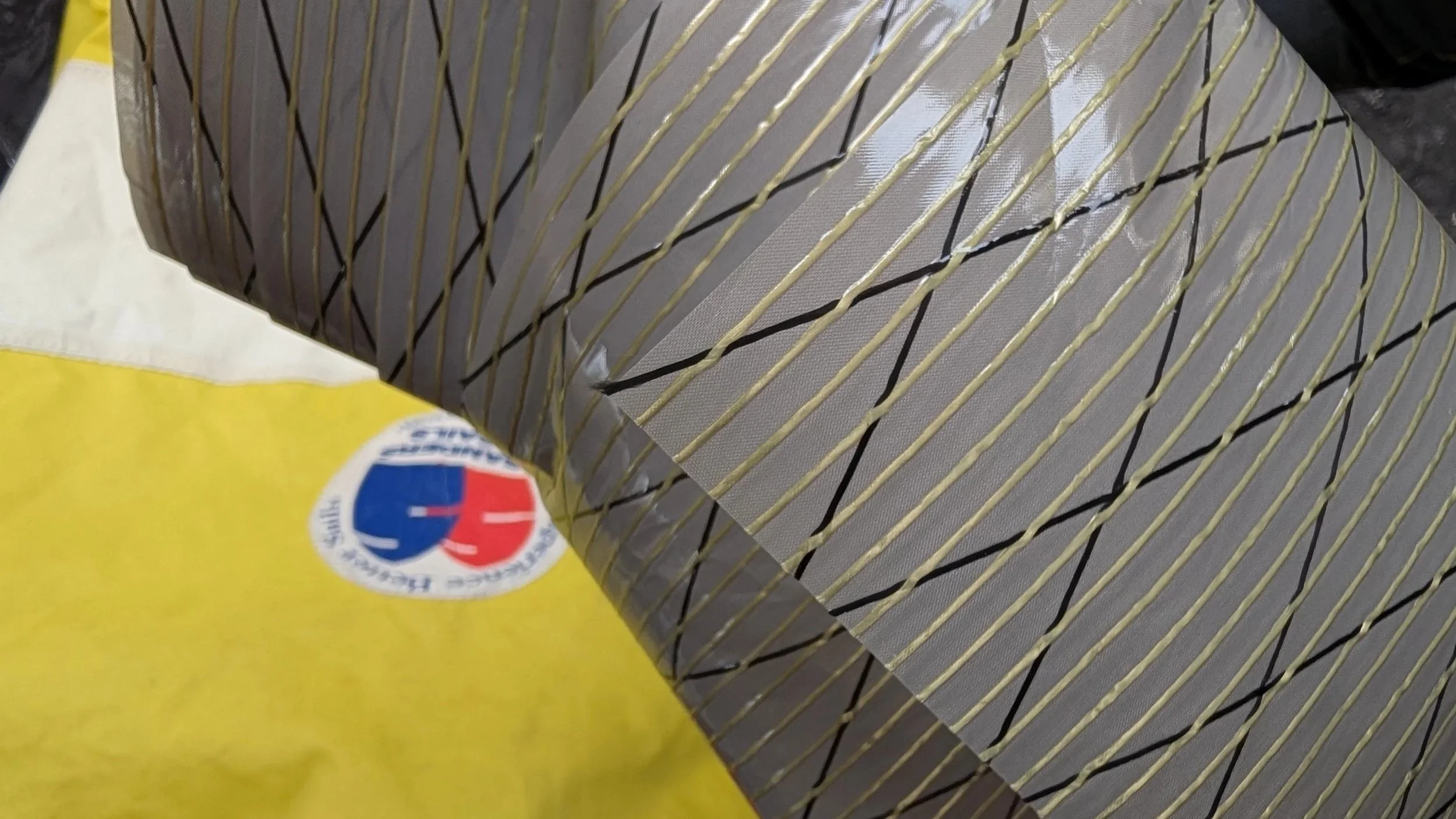
The fabrics I came away with were extraordinary in terms of technical quality, mixes of polyester and natural fibres, some shot through with Kevlar threads. If I'm honest I didn't fully know what I'd found, but the team at Sanders Sails did. Paula in particular was brilliant, helping me work out exactly what was in the pile and what each piece had once been. It was the kind of haul that turns a vague idea into the raw material for a real run of recycled sailcloth watch straps.
I owe Sanders Sails a proper thank you. They've got right behind what we're trying to do, to the point of setting aside some genuinely special off-cuts for us. And believe me, off-cuts are a rare find. Chris Sanders kindly saved and passed on a piece of Bainbridge HSXV, grey, with Vectran running through both the weft and the warp. In the world of off-cuts, that's a rare gem. On the same trip I turned up a run of other discarded fabrics too, the kind of colour and character that Kelsey and I had only been talking about in theory until now.
So there I was, boot full of treasure, options everywhere. Which is exactly where it got complicated.
TOO MUCH CHOICE
Here's the issue about building from rescued material. The abundance is the romance, but it's also the problem.
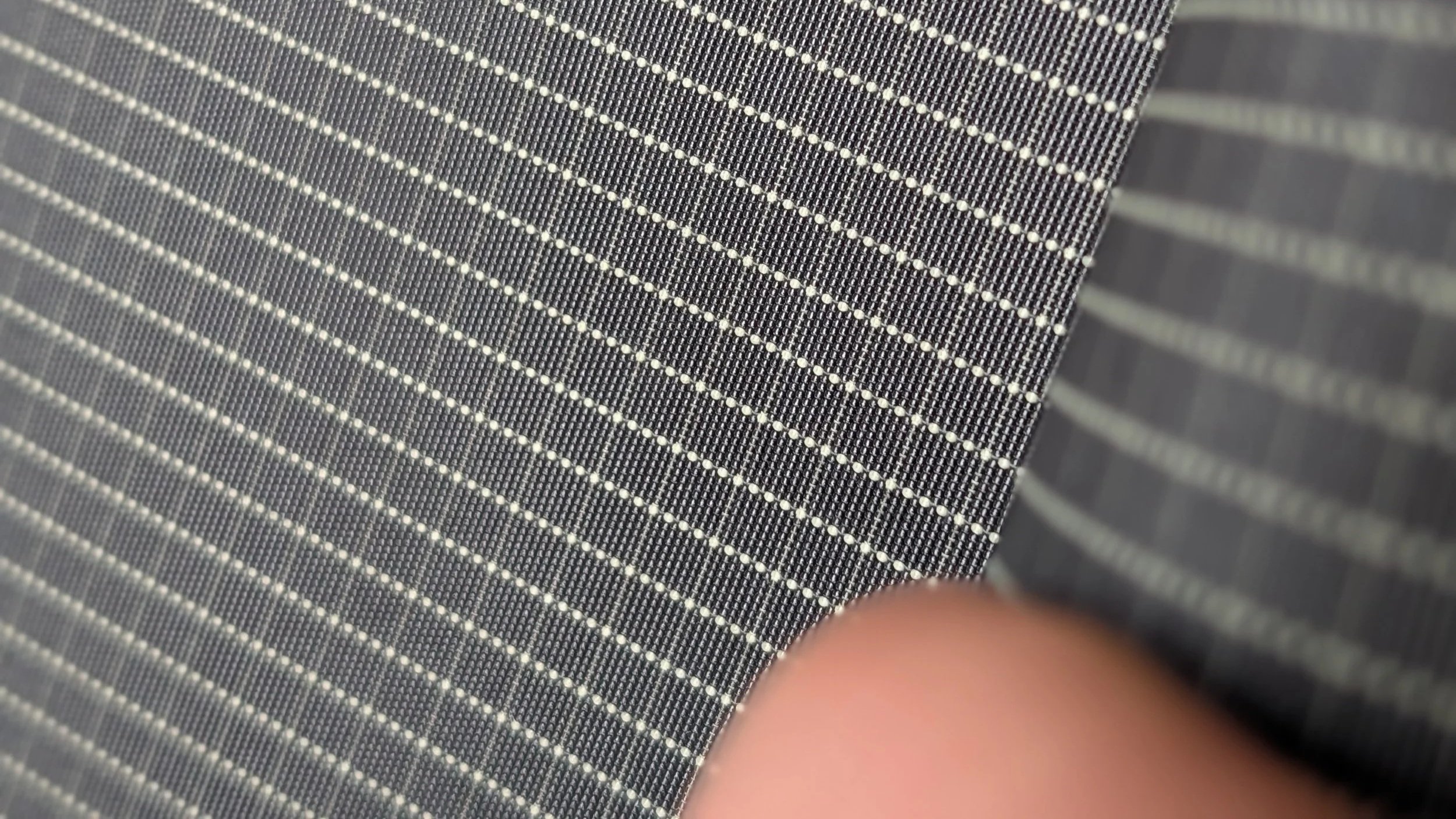
Every combination of colour and cloth we pulled out was another combination we'd have to make work, and because these are discards and off-cuts, there's no consistency to them. No two pieces behave the same. When Kelsey and I applied adhesive or heat to bond the fabrics before stitching, each one reacted differently, which meant we were more or less re-learning the process every single time. Wonderful for character. Less wonderful when you're trying to make the same thing twice.
It's a good reminder that saving everything and making something are not the same job.
NARROWING the fabrics DOWN
So I've made two decisions.
First, the design. For now we're focusing on a single style, mechanical watch straps, single pass. Once we've proven those, we'll scale up to smart watches and beyond. Second, the fabrics. Rather than chasing every combination the dump throws at me, the aim is to find just two that genuinely work together, perfect those, see what interest we get, and grow from there.
It goes against the grain a little, walking away from good material. But the best design kinda has to fight for its place, and if Loop is going to make sustainable watch straps from recycled sails properly, the most useful thing I can do right now is choose. Get two right, and the rest can follow.
Good move, I hope.
